April 11, 2026: Report on Naphtha Supply Crisis and Technical Responses in Manufacturing
[Overview: The Naphtha Shock and the Transformation of Industrial Production]
The Japanese chemical industry is facing an extremely critical juncture today due to stagnant naphtha supplies caused by escalating tensions in the Middle East. Japanese ethylene centers, which have historically relied on Middle Eastern naphtha, are being forced to fundamentally revise their feedstock compositions. Today’s developments mark a technological turning point, accelerating a "de-naphtha" movement in manufacturing processes that goes beyond mere cost management.
■ Top 20 Crucial News: Manufacturing, Procurement, and Alternative Technologies (April 11, 2026)
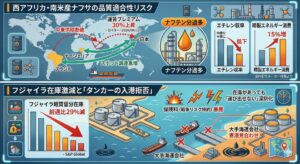
1. Mitsui Chemicals and Mitsubishi Chemical Accelerate Shift to U.S. Naphtha To avoid physical risks in Middle Eastern routes, major domestic players are full-scaling procurement of U.S. naphtha derived from shale gas. As of April 11, secured import quotas reached approximately 900,000 kiloliters, double the previous month. (Source: Kyodo News, 4/11)
2. Optimizing Naphtha Cracker Operations for Feedstock Conversion U.S. naphtha contains more Light Straight Run (LSR) components than Middle Eastern naphtha, resulting in lower aromatic yields. Manufacturing sites are rapidly redefining cracker temperature and pressure settings based on product portfolios.
3. METI Considers Support Measures for Alternative Procurement Costs Excessive freight costs from remote regions (North/South America) are squeezing chemical manufacturers' margins. The government began hearings with industry groups today to draft an "Emergency Procurement Support Subsidy" framework. (Source: Jiji Press, 4/11)
4. PM Takaichi Instructs Priority Supply for Basic Chemical Materials With inventories of naphtha-derived thinners and solvents depleting, the government requested manufacturers to prioritize supplies for "essential industrial products," including medical devices and infrastructure repair materials. (Source: Jiji Press, 4/11)
5. Indonesia Hints at Tightening Naphtha Export Restrictions The Indonesian government announced today it is considering export restrictions to protect its domestic petrochemical industry, casting a shadow over Japan's diversification strategies. (Source: Kyodo News, 4/11)
6. India’s HPCL-Mittal Energy Announces PP/PE "Price Protection Policy" In response to volatile feedstock markets, this Indian refinery introduced a price guarantee model, an unusual move where the manufacturer bears part of the price fluctuation risk during the contract period. (Source: Polymerupdate, 4/11)
7. Quality Validation and Emergency Adoption of Chinese Virgin Resins As domestic supply falters, trading houses have initiated emergency imports of Chinese PP/PE. Technical data as of April 11 confirms physical stability in precision molding, leading to adoption by major domestic manufacturers.
8. Expansion of "Biomass Naphtha" via Mass Balance Approach The use of biomass naphtha made from waste cooking oil is accelerating as a substitute for virgin naphtha, functioning as both an environmental measure and supply route redundancy.
9. Strengthened Allocation of Industrial Thinners and Solvents Supply of naphtha-derived solvents is limited to below 50% of normal levels. Paint manufacturers are tightening shipment adjustments and proposing transitions to alternatives like water-based coatings. (Source: Jiji Press, 4/11)
10. Maximizing Utilization of Secondary Units at Domestic Refineries To increase domestic naphtha production, refineries like ENEOS have begun pushing secondary units (such as FCCs) to their operational limits to extract naphtha from heavy oils. (Source: Kyodo News, 4/11)
11. Fuel Conversion in Petrochemical Plants to Conserve Naphtha Tests were conducted at a domestic industrial complex to switch plant heating fuel from naphtha to Liquefied Natural Gas (LNG) or hydrogen to reserve naphtha for use as a raw material.
12. Technical Shift to LPG (Liquefied Petroleum Gas) Cracking "LPG co-firing" technology, which uses LPG as a feedstock for ethylene production, is expanding. Increased LPG supply capacity was confirmed at multiple complexes today. (Source: Jiji Press, 4/11)
13. Concerns Over U.S. East Coast Port Strikes Impacting Naphtha Procurement As the shift to U.S. naphtha progresses, reports of potential port strikes on the U.S. East Coast have emerged. Manufacturers are on high alert regarding risks to the North American route, currently their lifeline. (Source: Kyodo News, 4/11)
14. Price Revisions for Polyester Fibers: Increases in Both Apparel and Industrial Use The impact of soaring naphtha prices has reached the textile sector. Major companies like Teijin have decided to pass increased raw material costs onto product prices. (Source: The Japan Times, 4/11)
15. Debate Begins on Legislation for "Naphtha Stockpiling" Unlike crude oil, there is no legal mandate for naphtha stockpiling. Public and private sectors began formal discussions today on legislation to protect industry during emergencies. (Source: Kyodo News, 4/11)
16. Surge in Demand for "Condensate" as a Naphtha Substitute The importance of extracting naphtha from condensate (ultra-light crude oil) is growing. Trading firms are moving to make emergency purchases from regions like Australia. (Source: Jiji Press, 4/11)
17. Delivery Delays for Engineering Plastics in Automotive and Home Appliances Confirmation as of today indicates that lead times for specialized resins—which involve complex naphtha-derived processes—are now "undetermined" or exceeding six months.
18. Expansion of Chemical Recycling Technologies Projects to produce "Recycled Naphtha" from waste plastic are gaining momentum. Companies are accelerating the commercialization of oil-conversion plants to secure alternative feedstock sources.
19. Impact on Semiconductor Chemicals Shortages in high-purity solvents used in semiconductor manufacturing have been reported. Concerns are growing regarding the impact on the global supply chain for advanced electronics.
20. Rise in Logistics Costs for Plastic Products Beyond raw materials, the rising cost of fuel for transportation is being reflected in the final prices of plastic pallets and containers. A comprehensive review of logistics efficiency is now a priority.
[Today's In-Depth News Analysis]
Deep Dive 1: Strategic Implications of the Shift to U.S. Naphtha
The rapid shift to U.S. naphtha is not merely a change in supply routes; it necessitates a fundamental reconfiguration of the domestic petrochemical production system. Middle Eastern naphtha is "heavy," yielding a high percentage of aromatics (BTX), whereas U.S. shale-derived naphtha is "light," resulting in higher yields of ethylene and propylene but fewer aromatics. This discrepancy is beginning to impact the supply-demand balance of derivative products like benzene and toluene.
Deep Dive 2: "Feedstock Flexibility" as a New Competitive Edge
The ability of a plant to switch feedstocks—between naphtha, LPG, and ethane—in response to market volatility is emerging as a critical survival factor. Companies that have invested in "flexible crackers" are maintaining high utilization rates even in this crisis, whereas plants optimized solely for Middle Eastern naphtha are being forced into significant production cuts.
Deep Dive 3: The Logistics Crisis and the "90-Day Wall"
While alternative procurement is underway, the extended shipping time from North America (approximately 40-50 days compared to 20-25 days from the Middle East) creates a temporary "supply gap." Industry analysts warn of a "90-day wall" where inventories might hit critical lows before the bulk of U.S. shipments arrive. Strategic inventory management during this transition period is vital.
Deep Dive 4: Decarbonization vs. Energy Security
The emergency increase in the utilization of secondary refinery units (FCC) and the potential return to heavier feedstocks present a dilemma for companies committed to carbon neutrality goals. Balancing the immediate need for industrial stability with long-term environmental targets is becoming a complex management challenge for executive boards.